
If you’ve ever felt your heart pounding before a big moment—whether stepping onto a stage, speaking up at a meeting, or walking into a competition—you are not alone. That wave of anxiety you feel? It’s not a flaw in your character or a sign that you’re not cut out for the spotlight. It’s a very human reaction—and it usually comes down to three powerful forces working together: Audience, Judgment, and Threat. They are the trio of drivers behind performance anxiety.
This triad of factors fuels not only speech fright, stage fright, and competition anxiety—but any kind of performance anxiety. Different names, same basic root. If you’re a speaker, performer, athlete, or competitor of any kind, this post is for you.
Here’s how the formula works:
Performance Anxiety = Audience + Judgment + Threat
Let’s unpack each part to understand where your nerves come from—and what to do about them.

The Drivers Behind Performance Anxiety
1. You’re Being Watched
Let’s start with the most of obvious drivers behind performance anxiety: someone is watching. Facing an audience is ground zero for performance anxiety. Whether it’s one person or one thousand, being observed activates a primal alert system in your brain.
That’s not just poetic. Evolution wired us to care—deeply—about social standing. In earlier times, rejection by the group could mean exile or even death. So the act of being watched, especially by people whose opinion matters, sends a signal to your nervous system: be on high alert.
And this isn’t limited to TED Talks or theater performances. You might feel it when:
- Pitching an idea in a boardroom
- Answering a tough question in class
- Auditioning for a role or solo
- Taking a penalty shot in a game
- Giving a toast at a wedding
Even in casual settings, the mere presence of others flips the switch. It’s not just the size of the audience that matters—but what they represent to you.
2. You’re Being Judged
The second key of the drivers behind performance anxiety is judgment. Not necessarily actual judgment, but your belief that others are evaluating you—your skill, your ideas, your performance, or your worth.
Sometimes that judgment is formal and overt. Think of job interviews, auditions, competitions, or sales pitches. You’re literally being scored or assessed.
Other times, it’s informal and subtle. A furrowed brow from an audience member. A teammate’s sigh. Even someone checking their phone can feel like a silent critique.
But here’s the kicker: your mind doesn’t need real evidence to feel judged. It fills in the blanks based on your fears. You interpret neutral faces as bored, quiet moments as disapproval, and your own stumbles as massive failures.
This imagined judgment can be even more powerful than actual critique—because you can’t escape it. It lives inside your head and runs wild unless you learn how to tame it.
3. You Feel Threatened
Now for the most intense piece of the puzzle: threat. The moment you sense judgment, your brain decides something very serious is on the line. Suddenly, your self-worth, your reputation, even your identity and career, feel at risk.
This perceived threat activates your fight-or-flight system. Your heart races, your hands sweat, and your mind goes blank. Why? Because your body thinks you’re in danger. Not metaphorical danger—real danger. That’s how the brain reads it.
Here’s how this threat shows up:
- Fear of failure — “If I mess up, everyone will think I’m a fraud.”
- Fear of rejection — “If I don’t perform well, I won’t be accepted.”
- Fear of humiliation — “If I blank out, I’ll never live it down.”
- Fear of lost opportunity — “If I blow this, it could hurt my career.”
Why the Causes of Performance Anxiety Matter
The threat at the heart of performance anxiety may seem irrational at times, but more often than not, it’s completely real.
Consider a music student auditioning live for their dream conservatory. They’ve spent years preparing for this one moment. Their future in music—college acceptance, scholarships, even their sense of identity—might ride on how they perform in just a few minutes.
That’s not imagined pressure. That’s a very real and meaningful threat. If the audition doesn’t go well, the consequences can feel devastating. It’s not just about a missed note; it’s about a missed opportunity, a closed door, a painful blow to a lifelong dream.
So, of course, they’re nervous. Who wouldn’t be?
You’re Perfect
This is why there’s usually nothing wrong with you when you feel anxious. You’re not broken. In fact, you’re wired exactly the way any human being would be in the same situation. You are not flawed. You’re perfect—perfectly human.
I hope this brings you relief. A profound shift. It’s your permission slip to stop blaming yourself.
Even when the thing that triggers your nerves seems silly or small, chances are there’s a deeper meaning underneath it. That’s what the Deep Danger Exercise is designed to uncover—so you can get clarity on what’s really fueling your fear.
What Can You Do?
No matter how real the threat or natural your response, you don’t want performance anxiety hijacking your ability to speak, perform, or compete at your best. So, what can you actually do about these drivers behind performance anxiety?
Maybe you’ve heard that the key is to reframe the moment—see your big presentation, audition, or playoff as an opportunity instead of a threat. That shift can help some. But here’s the truth: your nervous system doesn’t buy it. It still senses danger and activates your fight-or-flight response, flooding you with the very symptoms you were hoping to avoid.
And the usual advice? “Be well-prepared.” “Visualize success.” “Fake it till you make it.” These can offer surface-level support, but when anxiety hits hard, they often fall short.
All of them do—except one. Mindfulness.
The Mindful Solution
When I say that mindfulness is the true solution to performance anxiety, I don’t mean the watered-down version you find in trendy apps or yoga merchandise aisles. This isn’t “McMindfulness”—the overhyped, commercialized version you practice while sipping kombucha and checking your notifications.
I’m talking about real mindfulness—the kind rooted in Zen tradition. The kind I studied firsthand under the Korean Zen master Seung Sahn, the same teacher who also influenced Jon Kabat-Zinn, the founder of the modern mindfulness movement.
This is mindfulness in its purest form: simple, direct, and deeply powerful. No fluff. No gimmicks. Just the time-tested and scientifically-validated practice of learning to separate from your anxious thoughts instead of getting tangled in them.
That separation—what we might call detachment—changes everything.
The anxiety doesn’t vanish, but it loosens its grip. You’re no longer stuck inside it. The situation becomes far more workable.
Explore Mindfulness-Based Courses Tailored for Speakers, Performers, and Athletes
Ready to gbreak free from performance anxiety? If this post resonated with you, you don’t have to navigate it alone. I’ve developed a series of online courses through Little School of Fish, all grounded in the pure, practical mindfulness approach I’ve described—and designed specifically for people who speak, perform, or compete under pressure.
Each course is tailored to your world, whether you’re a speaker, performer, or athlete. You’ll find focused editions for public-facing business professionals, entrepreneurs, educators and students, musicians and actors, as well as both team and individual sport athletes. And for those wanting a more personal touch, private coaching options with me are available too.
You’re not broken. You’re human. And you’re not alone. Let’s work together to help you move past anxiety and into your full potential. Explore the courses now and discover what becomes possible when you stop battling your nerves—and start transforming your relationship with them.
For Further Reading
Frequently Asked Questions
Is performance anxiety the same as stage fright?
Yes. Stage fright, speech fright, and competition anxiety all stem from the same core fear response.
Why do I feel nervous before I speak or perform?
Your brain perceives judgment as a threat, triggering the fight-or-flight response.
Does everyone feel this way?
Almost everyone does—especially when the stakes feel high. You are not alone.
Oct. 27, 2025
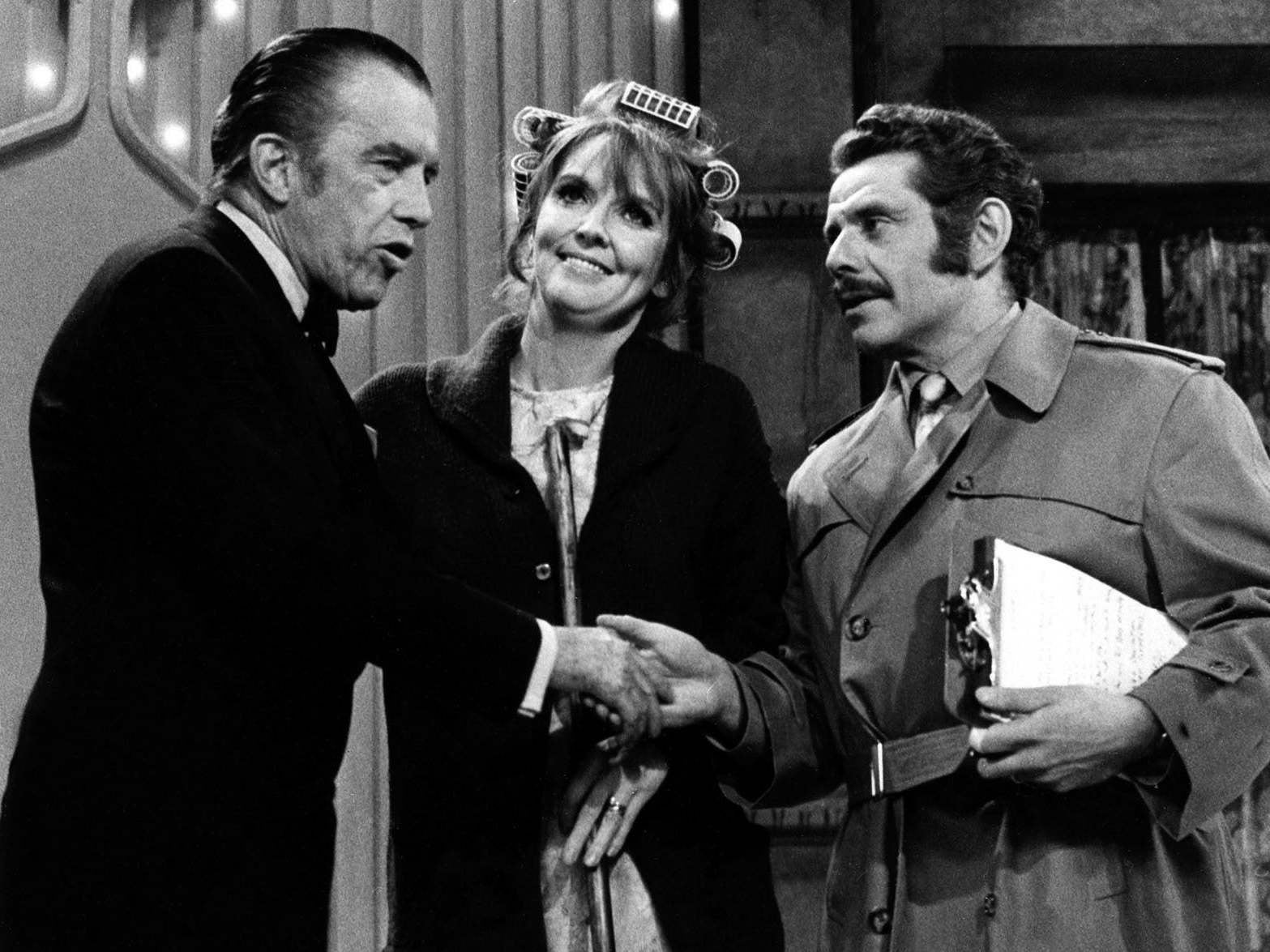
Why Does Stage Fright Hit Even Comedy Legends Like Stiller & Meara
Jun. 10, 2025
The Deep Danger at the Root of Performance Anxiety (and How to Unearth It)
Jun. 10, 2025
Why You Freeze in the Spotlight: The Three Factors Behind Performance Anxiety
Jun. 08, 2025
Speech Fright in Presidential Debates
Jun. 07, 2025
Performance Anxiety Demystified: The Real Link Between Speech Fright, Stage Fright, and Competition Anxiety
Jun. 07, 2025
3 Surprising Mistakes That Make Performance Anxiety Worse—and What to Do Instead
Mar. 19, 2025
Alan Bennett has suffered from stage fright since he forgot his own monologues | Daily Mail Online
Mar. 19, 2025
The Yips: Steve Sax Disease
Mar. 19, 2025
What Shohei Ohtani’s Stage Fright Can Teach Performers About Handling Pressure
Mar. 19, 2025
What Shohei Ohtani’s Stage Fright Can Teach Us About Public Speaking Anxiety
Jan. 24, 2025
Adele’s Fear of the Stage
Jan. 24, 2025
Bill Hader
Jan. 24, 2025
Stage Fright: Joe Kowan’s TED Talk
Jan. 24, 2025
Stage Fright: PJ Gallagher’s Reality Bites
Jan. 24, 2025
Lamaze for stage fright. Wait, what?
Jan. 24, 2025
Actor Jonathan Gillard Daly on Stage Fright
Jan. 24, 2025
Michael Bay & the Terrible, Horrible Very Bad Speech Fright Day
Jan. 24, 2025
Stage Fright & Speech Fright: Infographic of Surprising Facts
Jan. 24, 2025
The Yips & Ernie Els
Jan. 24, 2025
Speech Fright: Reporter Reinforces Common Misconception
Jan. 24, 2025
NYT Article on Smart Apps for Stage Fright
Jan. 24, 2025
Zayn Malik’s Stage Fright No Show
Jan. 24, 2025
Anxiety Robs Australian Swimmers at Olympics
Jan. 24, 2025
Stage Fright: What You Absolutely, Positively Need to Know
Jan. 24, 2025
History of Stage Fright in the Performing Arts
Take Action: Tame the Fear. Unlock Your Voice.
If you are tired of anxiety calling the shots and undermining your confidence when you speak in front of others, it’s time for your breakthrough moment.
The anxiety doesn’t get the final say. Your voice does. We invite performers, speakers, and athletes to explore our simple, proven, and mindfulness-rooted training, such as the Speak with Confidence courses and coaching, to help you transform your relationship with your nerves. This program teaches you to move from feeling stuck to unstuck—not by fighting fear, but by changing your relationship with it.