
No popular artist is bigger these days than the British singer-songwriter Adele, and few have been as open about their stage fright.
Rolling Stone
In a 2011 interview with Rolling Stone, Adele disclosed about her performance anxiety:
I’m scared of audiences. I get shitty scared. One show in Amsterdam, I was so nervous I escaped out the fire exit. I’ve thrown up a couple of times. Once in Brussels, I projectile-vomited on someone. I just gotta bear it. But I don’t like touring. I have anxiety attacks a lot.
In the same interview, Adele explained the reason behind her performance anxiety:
I mean, the thought of someone spending $20 to come and see me and saying ‘Oh, I prefer the record and she’s completely shattered the illusion’ really upsets me. It’s such a big deal that people come give me their time.
60 Minutes
Adele echoed the same thoughts in a 60 Minutes interview with Anderson Cooper a year later:
Cooper: So how does it manifest itself?
Adele: It starts the minute I wake up. It I know I’ve got a live show, it starts…I mean I just try and just try and putter around and keep myself busy and stuff like that. And then I got to go down and sit down in the chair for a couple of hours, have my hair and makeup done. But it has gotten worse as I’ve become more successful. My nerves. Just because there’s a bit more pressure, and people are expecting a lot more for me.
Cooper: So what’s that fear?
Adele: That I’m not going to deliver. The people are going to enjoy it. That I’ll ruin their love for my songs by doing them live. I feel sick. I get a bit panicky.
Cooper: Have you ever thrown up?
Adele: Yeah. Oh, yeah. Yeah, a few times. Projectile.
Oscars
All of this admission of performance anxiety has resulted in somewhat of a public watch when it comes to Adele’s performances. For example, multiple news articles appeared about her attempts to combat her fears ahead of performing her title song from the James Bond movie Skyfall at the 2013 Oscars.
Some reports had her undergoing hypnotherapy in Los Angeles. Others had her studying Chinese Qi Gong breathing techniques. As for her rather lackluster performance that night, speculation ran to some sort of connection between it and performance anxiety.
Beta blockers?
To me, the lack of excitement in her performance suggests that she resorted to using a beta blocker. (Be sure to check out my post on beta blockers and stage fright.)
I’ll be sure to update this post as Adele’s ongoing stage fright saga plays out.
What do you think? Do you have sympathy for Adele and her battle with performance anxiety? Let us know by commenting below.
Oct. 27, 2025
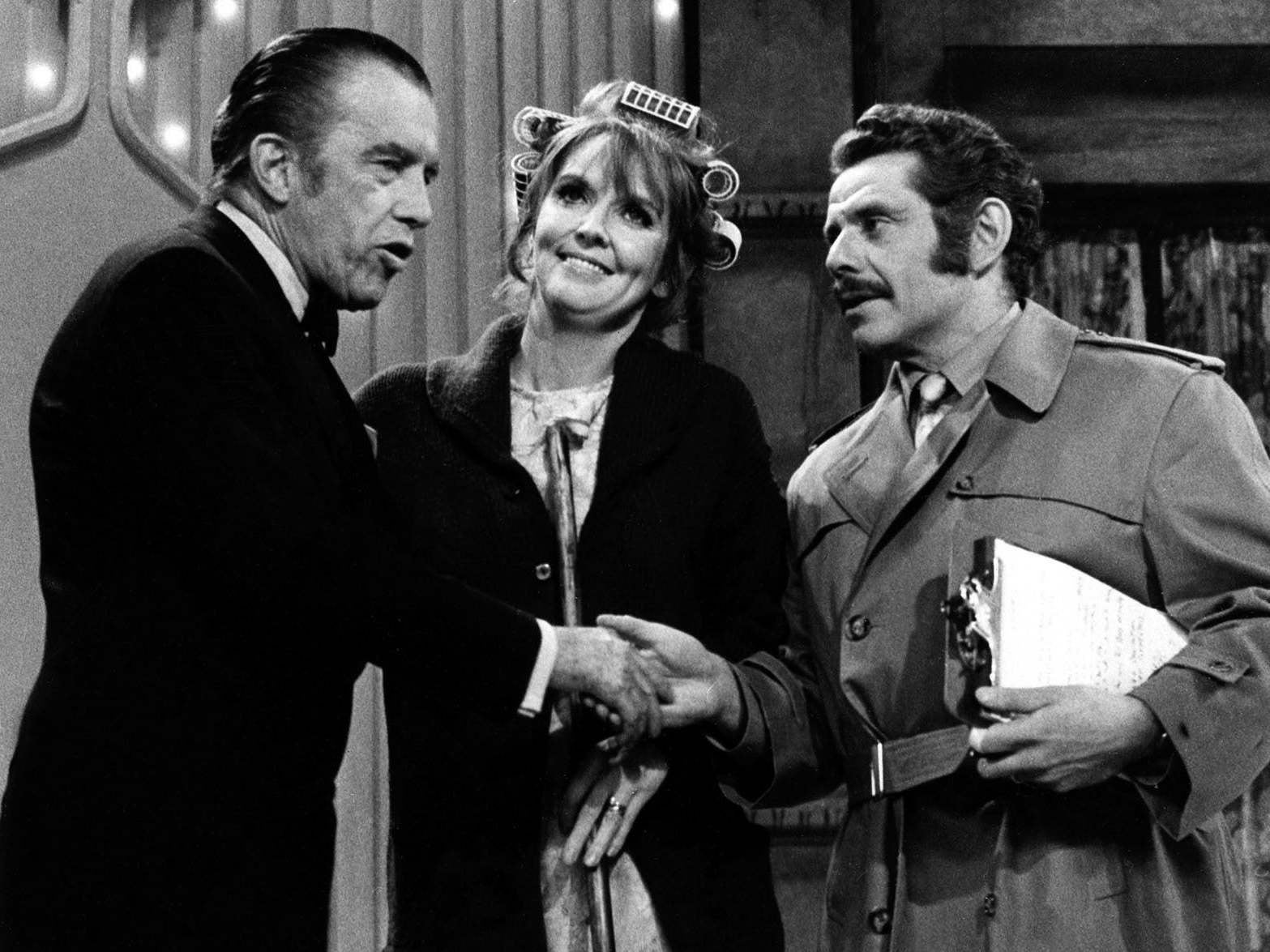
Why Does Stage Fright Hit Even Comedy Legends Like Stiller & Meara
Jun. 10, 2025
The Deep Danger at the Root of Performance Anxiety (and How to Unearth It)
Jun. 10, 2025
Why You Freeze in the Spotlight: The Three Factors Behind Performance Anxiety
Jun. 08, 2025
Speech Fright in Presidential Debates
Jun. 07, 2025
Performance Anxiety Demystified: The Real Link Between Speech Fright, Stage Fright, and Competition Anxiety
Jun. 07, 2025
3 Surprising Mistakes That Make Performance Anxiety Worse—and What to Do Instead
Mar. 19, 2025
Alan Bennett has suffered from stage fright since he forgot his own monologues | Daily Mail Online
Mar. 19, 2025
The Yips: Steve Sax Disease
Mar. 19, 2025
What Shohei Ohtani’s Stage Fright Can Teach Performers About Handling Pressure
Mar. 19, 2025
What Shohei Ohtani’s Stage Fright Can Teach Us About Public Speaking Anxiety
Jan. 24, 2025
Adele’s Fear of the Stage
Jan. 24, 2025
Bill Hader
Jan. 24, 2025
Stage Fright: Joe Kowan’s TED Talk
Jan. 24, 2025
Stage Fright: PJ Gallagher’s Reality Bites
Jan. 24, 2025
Lamaze for stage fright. Wait, what?
Jan. 24, 2025
Actor Jonathan Gillard Daly on Stage Fright
Jan. 24, 2025
Michael Bay & the Terrible, Horrible Very Bad Speech Fright Day
Jan. 24, 2025
Stage Fright & Speech Fright: Infographic of Surprising Facts
Jan. 24, 2025
The Yips & Ernie Els
Jan. 24, 2025
Speech Fright: Reporter Reinforces Common Misconception
Jan. 24, 2025
NYT Article on Smart Apps for Stage Fright
Jan. 24, 2025
Zayn Malik’s Stage Fright No Show
Jan. 24, 2025
Anxiety Robs Australian Swimmers at Olympics
Jan. 24, 2025
Stage Fright: What You Absolutely, Positively Need to Know
Jan. 24, 2025
History of Stage Fright in the Performing Arts
Take Action: Tame the Fear. Unlock Your Voice.
If you are tired of anxiety calling the shots and undermining your confidence when you speak in front of others, it’s time for your breakthrough moment.
The anxiety doesn’t get the final say. Your voice does. We invite performers, speakers, and athletes to explore our simple, proven, and mindfulness-rooted training, such as the Speak with Confidence courses and coaching, to help you transform your relationship with your nerves. This program teaches you to move from feeling stuck to unstuck—not by fighting fear, but by changing your relationship with it.