
Dog therapy for speech fright is an innovative idea presented by Bonnie Auslander, a seasoned public speaking coach and the director of the Kogod Center for Business Communications, in her article for the New York Times. Auslander advocates for practicing speaking in front of dogs to help individuals manage their performance anxiety. While this concept certainly piques interest, it prompts a deeper inquiry into the tangible benefits it offers.
The Three Factors Behind Speech Fright
In my exploration of performance anxiety, as outlined in “The Three Factors Behind Speech Fright,” I identify primary conditions that contribute to this phenomenon.
First, the speaker presents in front of an audience. The very act of standing before others can evoke a sense of vulnerability. This situation transforms a simple act of communication into a high-stakes performance where the speaker feels scrutinized. Whether the audience consists of a few close friends or a large group of strangers, the dynamics of presenting in front of others can trigger significant apprehension.
Second, there is an element of judgment from that audience or at least the perception of being judged. This judgment can come in various forms—through facial expressions, body language, or even the audience’s silence. Speakers often imagine the audience’s thoughts, creating a heightened self-consciousness. This perception of judgment can stem from previous experiences, cultural expectations, or personal insecurities, further exacerbating the nerves involved in public speaking.
Third, this judgment must be viewed as a threat. The fear that the audience will evaluate or criticize the presentation can lead to feelings of inadequacy and anxiety. This perceived threat can trigger a “fight or flight” response, causing physiological reactions such as increased heart rate, shallow breathing, and muscle tension. When a speaker internalizes this threat, it can create a vicious cycle: The fear of judgment leads to a decline in performance, reinforcing the fear itself.
Understanding these three factors can help in developing strategies to manage performance anxiety. By recognizing the dynamics at play and reframing the perception of the audience’s judgment, individuals may find ways to reduce anxiety and enhance their public speaking skills.
Dog Therapy for Speech Fright
Speaking in front of dogs might alleviate some anxiety—they provide an unjudging presence—but it may not sufficiently address the nuanced emotional layers involved in public speaking. The crux of the issue is the audience’s judgment, which can be a significant source of fear. While comforting, dogs are not substitutes for understanding the social dynamics and potential repercussions of human judgment.
Furthermore, much of Auslander’s support for this technique relies on anecdotal evidence rather than robust, empirical research. While I fully embrace the therapeutic benefits dogs can bring to stress relief and emotional support—I can attest to this through my family puppy, Mimi.
But Auslander’s method seems to be missing a crucial element that effectively parallels the authentic challenges speakers face.
A holistic approach that combines the comforting presence of dogs and strategies to confront real audience judgment will yield better results in overcoming speech fright.

Mimi, resident canine therapist in the Fish home
(Her name means “ear” in Japanese. We named her that because she’s got that one ear stuck up in the air 98% of the time.)
Oct. 27, 2025
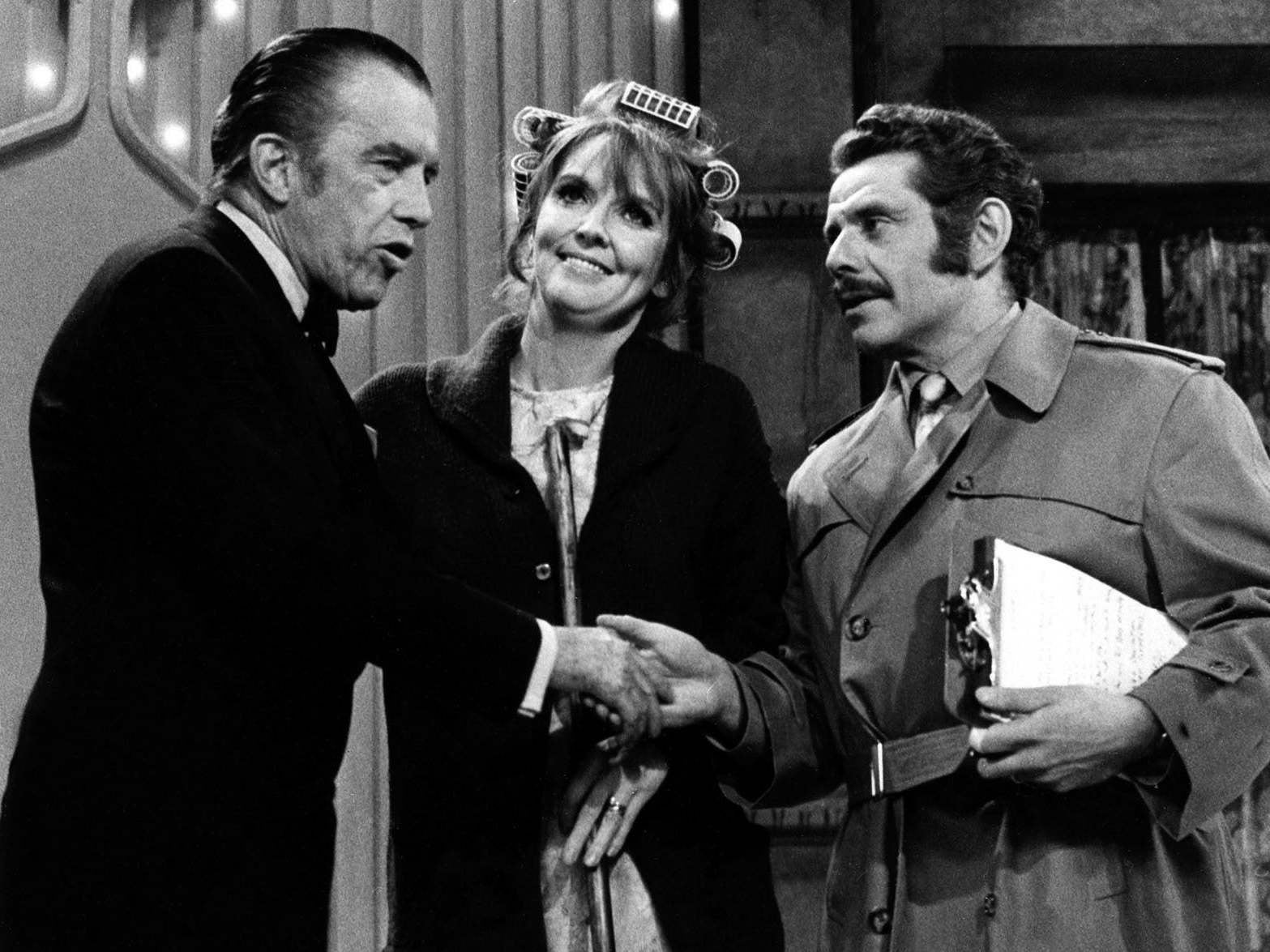
Why Does Stage Fright Hit Even Comedy Legends Like Stiller & Meara
Jun. 10, 2025
The Deep Danger at the Root of Performance Anxiety (and How to Unearth It)
Jun. 10, 2025
Why You Freeze in the Spotlight: The Three Factors Behind Performance Anxiety
Jun. 08, 2025
Speech Fright in Presidential Debates
Jun. 07, 2025
Performance Anxiety Demystified: The Real Link Between Speech Fright, Stage Fright, and Competition Anxiety
Jun. 07, 2025
3 Surprising Mistakes That Make Performance Anxiety Worse—and What to Do Instead
Mar. 19, 2025
Alan Bennett has suffered from stage fright since he forgot his own monologues | Daily Mail Online
Mar. 19, 2025
The Yips: Steve Sax Disease
Mar. 19, 2025
What Shohei Ohtani’s Stage Fright Can Teach Performers About Handling Pressure
Mar. 19, 2025
What Shohei Ohtani’s Stage Fright Can Teach Us About Public Speaking Anxiety
Jan. 24, 2025
Adele’s Fear of the Stage
Jan. 24, 2025
Bill Hader
Jan. 24, 2025
Stage Fright: Joe Kowan’s TED Talk
Jan. 24, 2025
Stage Fright: PJ Gallagher’s Reality Bites
Jan. 24, 2025
Lamaze for stage fright. Wait, what?
Jan. 24, 2025
Actor Jonathan Gillard Daly on Stage Fright
Jan. 24, 2025
Michael Bay & the Terrible, Horrible Very Bad Speech Fright Day
Jan. 24, 2025
Stage Fright & Speech Fright: Infographic of Surprising Facts
Jan. 24, 2025
The Yips & Ernie Els
Jan. 24, 2025
Speech Fright: Reporter Reinforces Common Misconception
Jan. 24, 2025
NYT Article on Smart Apps for Stage Fright
Jan. 24, 2025
Zayn Malik’s Stage Fright No Show
Jan. 24, 2025
Anxiety Robs Australian Swimmers at Olympics
Jan. 24, 2025
Stage Fright: What You Absolutely, Positively Need to Know
Jan. 24, 2025
History of Stage Fright in the Performing Arts
Take Action: Tame the Fear. Unlock Your Voice.
If you are tired of anxiety calling the shots and undermining your confidence when you speak in front of others, it’s time for your breakthrough moment.
The anxiety doesn’t get the final say. Your voice does. We invite performers, speakers, and athletes to explore our simple, proven, and mindfulness-rooted training, such as the Speak with Confidence courses and coaching, to help you transform your relationship with your nerves. This program teaches you to move from feeling stuck to unstuck—not by fighting fear, but by changing your relationship with it.