
The yips finds Ernie Els. Millions have watched The epic meltdown in the day since it has happened. Four-time major champion Ernies Els wound up six putting from under three feet for a nine on the opening par four at the Masters.
How could this possibly happen to such a successful veteran golfer?
In an interview after his round for the day, Els chalked up the embarrassing moment to nerves.
Threat
Els’ explanation seems reasonable even for such a seasoned when we consider the three criteria at play when performance anxiety strikes. The first is that you do something in front of others. Second, you are judged on it—or at least feel you’re being judged. Third, the judgment constitutes some sort of threat. Els must have experienced all of this during his epic fail.
Even such a seasoned golfer would have suddenly felt he was being scrutinized when he missed the first easy putt, and this constituted a threat to his professional reputation. That threat only increased as he kept missing the hole with subsequent shots.
Maladaptive
The fight, flight or flee response would have immediately kicked in when Els felt an imminent threat, flooding his body with adrenaline. This is the body’s autonomic response to perceived danger. The body prepares to take physical action, like fighting or running away.
The fight, flight or flee response is great if you need to run away from a bear. However, it can be downright maladaptive if the threat is less physical and more existential. Els certainly might have thought about running from the green during his meltdown, but that was no option. Instead, with the yips clouding his thinking and sending fine motor skills out the window, he had to try to concentrate on sinking his golf ball into the hole.
What do you think? Feel free to join the conversation by leaving a comment.
Oct. 27, 2025
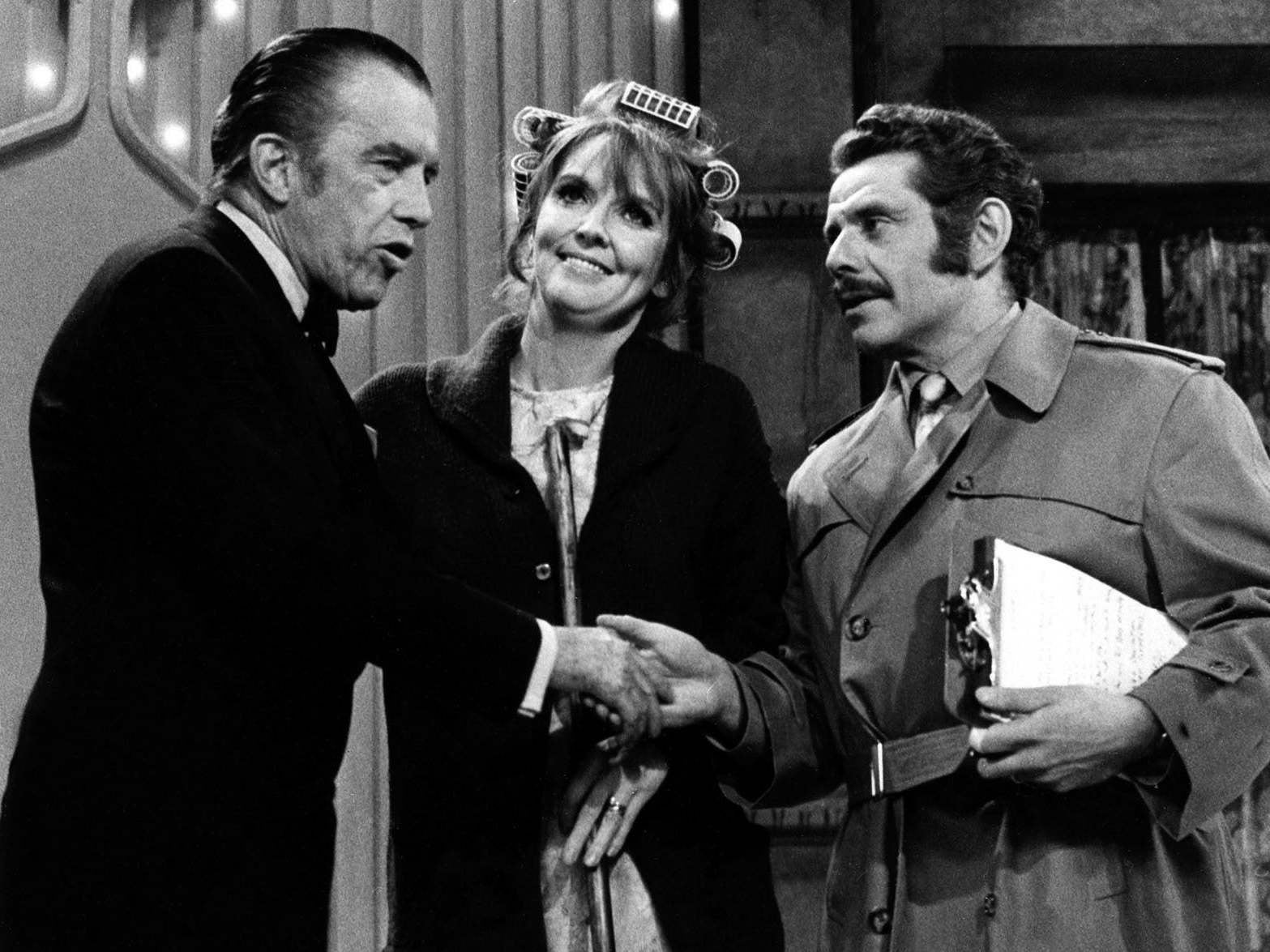
Why Does Stage Fright Hit Even Comedy Legends Like Stiller & Meara
Jun. 10, 2025
The Deep Danger at the Root of Performance Anxiety (and How to Unearth It)
Jun. 10, 2025
Why You Freeze in the Spotlight: The Three Factors Behind Performance Anxiety
Jun. 08, 2025
Speech Fright in Presidential Debates
Jun. 07, 2025
Performance Anxiety Demystified: The Real Link Between Speech Fright, Stage Fright, and Competition Anxiety
Jun. 07, 2025
3 Surprising Mistakes That Make Performance Anxiety Worse—and What to Do Instead
Mar. 19, 2025
Alan Bennett has suffered from stage fright since he forgot his own monologues | Daily Mail Online
Mar. 19, 2025
The Yips: Steve Sax Disease
Mar. 19, 2025
What Shohei Ohtani’s Stage Fright Can Teach Performers About Handling Pressure
Mar. 19, 2025
What Shohei Ohtani’s Stage Fright Can Teach Us About Public Speaking Anxiety
Jan. 24, 2025
Adele’s Fear of the Stage
Jan. 24, 2025
Bill Hader
Jan. 24, 2025
Stage Fright: Joe Kowan’s TED Talk
Jan. 24, 2025
Stage Fright: PJ Gallagher’s Reality Bites
Jan. 24, 2025
Lamaze for stage fright. Wait, what?
Jan. 24, 2025
Actor Jonathan Gillard Daly on Stage Fright
Jan. 24, 2025
Michael Bay & the Terrible, Horrible Very Bad Speech Fright Day
Jan. 24, 2025
Stage Fright & Speech Fright: Infographic of Surprising Facts
Jan. 24, 2025
The Yips & Ernie Els
Jan. 24, 2025
Speech Fright: Reporter Reinforces Common Misconception
Jan. 24, 2025
NYT Article on Smart Apps for Stage Fright
Jan. 24, 2025
Zayn Malik’s Stage Fright No Show
Jan. 24, 2025
Anxiety Robs Australian Swimmers at Olympics
Jan. 24, 2025
Stage Fright: What You Absolutely, Positively Need to Know
Jan. 24, 2025
History of Stage Fright in the Performing Arts
Take Action: Tame the Fear. Unlock Your Voice.
If you are tired of anxiety calling the shots and undermining your confidence when you speak in front of others, it’s time for your breakthrough moment.
The anxiety doesn’t get the final say. Your voice does. We invite performers, speakers, and athletes to explore our simple, proven, and mindfulness-rooted training, such as the Speak with Confidence courses and coaching, to help you transform your relationship with your nerves. This program teaches you to move from feeling stuck to unstuck—not by fighting fear, but by changing your relationship with it.