
It’s incredibly common to feel that knot of anxiety before speaking or performing in front of others, isn’t it? It’s familiar to anyone who’s experienced speech fright, stage fright, or competition anxiety (learn how they’re related), but what many don’t realize is that common performance anxiety mistakes may actually be making things worse.
This familiar feeling is shared by countless individuals, whether you’re about to give a presentation, lead a meeting, step onto a stage to perform, or even participate in a crucial conversation. It holds you back from fully expressing yourself, silencing your voice or hindering your artistry when it needs to be heard most, planting seeds of self-doubt.
The Performance Anxiety Mistakes That Keep You Anxious
If you’re like most people who struggle with this kind of performance anxiety, you probably believe this nervousness stems from a lack of confidence. But what if I told you that might be the first of three key mistakes sabotaging your ability to feel at ease when the spotlight is on you? These common misconceptions can keep you stuck, preventing you from stepping up with clarity and presence. Let’s explore these three mistakes and discover a different approach—one that leads to genuine, unwavering confidence.
Mistake #1: Believing You Lack Confidence
The first mistake is thinking you lack confidence, which causes you to get nervous. This is perhaps the most fundamental error in understanding performance anxiety. Most of us assume that our nerves are a result of not feeling confident enough. But it’s actually the other way around.
The anxiety comes first, and it actively erodes your confidence. When you feel those uncomfortable physical symptoms and your mind starts to spiral with worried thoughts, it’s incredibly hard to feel good about your ability to perform or speak well. The nervousness becomes a barrier that holds you back.
Mistake #2: Thinking Something Is Wrong With You
The second mistake is thinking something is wrong with you for feeling nervous. This adds a heavy layer of self-judgment onto the already uncomfortable experience of anxiety. You might criticize yourself, thinking you’re weak or somehow flawed for feeling nervous in front of others.
But experiencing this anxiety doesn’t mean there’s anything wrong with you. It’s not a character flaw or a sign of weakness. In fact, your nerves are actually a natural response to a real perceived threat—being judged.
Why Your Brain Reacts This Way
Humans have evolved as social beings who depend on acceptance and approval. Any situation where we might face rejection, judgment, or embarrassment can feel like a genuine threat to our well-being. The pressure of being evaluated by others is powerful. Our brains are wired to interpret the risk of social failure as something to be avoided at all costs, which is why the anxiety feels so real and overwhelming.
When your brain perceives this threat, your body activates the sympathetic nervous system (SNS), triggering the “fight or flight” response. The amygdala, often called the brain’s “alarm system,” detects the perceived threat and triggers this cascade of physical symptoms.
You Are Not Broken—You Are Perfect
Feeling nervous in front of others confirms your body’s protective mechanisms are functioning exactly as designed. Experiencing this anxiety actually means you’re perfect—perfectly human. It’s a universal, inherent human reaction deeply buried within us.
Realizing this truth lifts an enormous weight from your shoulders; there’s no need to be so hard on yourself.
Mistake #3: Trying to “Conquer” Your Anxiety
The third mistake is trying to “conquer” your anxiety. Given how uncomfortable anxiety feels and the belief that it stems from weakness, our natural instinct is to fight it. We try to suppress the physical symptoms or force ourselves to “be confident.” You’ve likely encountered suggestions about beating or conquering your anxiety.
But here’s the surprising truth: trying to “conquer” your anxiety just makes it worse. Think of it like a finger trap—the more forcefully you pull to free yourself, the tighter they become.
Why Fighting Anxiety Backfires
Your anxiety is a lot like a finger trap. The harder you fight against it, the more you try to suppress or eliminate your nervous thoughts and feelings, the more its hold intensifies.
Performance anxiety is not a personal failing or a flaw to be conquered; it is a natural protective mechanism. Trying to fight these feelings only ends up increasing your stress and making the experience more difficult.
The Way Forward: Mindful Acceptance
So, if fighting anxiety makes it worse, and you’re not broken for feeling it, what’s the way forward? The real solution is mindful acceptance. It’s simple, science-backed, and surprisingly effective.
As counterintuitive as it may seem, accepting rather than fighting your nervousness is the key to releasing its grip.
What Is Mindfulness?
Mindfulness means paying attention, on purpose, to the present moment, non-judgmentally. It’s about observing your anxious thoughts and feelings without labeling them as good or bad, allowing them to exist without your attention.
This practice helps break the loop of worry and brings you back to the present moment.
Mindfulness Calms Your Nervous System
Mindfulness also works on a physiological level by helping to calm the body’s fight-or-flight response.
While your sympathetic nervous system (SNS) is activated by perceived threats, mindful awareness activates the parasympathetic nervous system (PSNS)—the part responsible for “rest and digest.”
Flow States: The Natural Result of Mindfulness
These moments of deep immersion are known as flow states. The phenomenon is characterized as a mental condition in which an individual becomes fully absorbed in their activity.
Flow is crucial because it shifts your focus from anxious thoughts to fully engaging in what you’re doing, dissolving the grip of speech fright or stage fright.
A Healthier Relationship with Anxiety
Ultimately, the goal is not to eliminate anxiety entirely, but to develop a healthier relationship with it so that it no longer stands in the way of your confidence and performance.
By accepting rather than fighting your nervousness, you loosen its grip and allow your focus to shift from inner turmoil to outer connection or artistic expression.
Embrace the Spotlight—And Your Potential
This approach helps you move from dreading the glare of the spotlight to embracing its glow. When you finally break free from the grip of performance anxiety, you unlock more than just your speaking ability or artistic performance—you unleash your full potential.
With the right tools, taming your performance anxiety is easier than you think.
Frequently Asked Questions
Why does trying to “conquer” anxiety often make it worse?
Attempting to fight or eliminate anxiety can intensify it. It’s lke a finger trap—the more you struggle, the tighter it becomes. By resisting anxiety, individuals may inadvertently heighten their stress levels, making the experience more challenging.
Is feeling nervous a sign of weakness?
Not at all. Nervousness is a natural human response to perceived social threats, such as judgment or rejection. It’s a sign that our body’s protective mechanisms are functioning correctly, not an indication of personal weakness.
How does mindfulness help in managing performance anxiety?
Mindfulness involves being present and accepting one’s thoughts and feelings without judgment or criticism. By practicing mindfulness, individuals can observe their anxious thoughts without becoming overwhelmed, allowing them to remain grounded and focused during performances.
What is the main idea behind the “counterintuitive” solution to performance anxiety?
The key to overcoming performance anxiety isn’t trying to battle or suppress it. The solution is mindful acceptance—acknowledging anxiety without judgment and focusing on the present moment. This approach helps reduce the power anxiety holds over individuals during performances.
Oct. 27, 2025
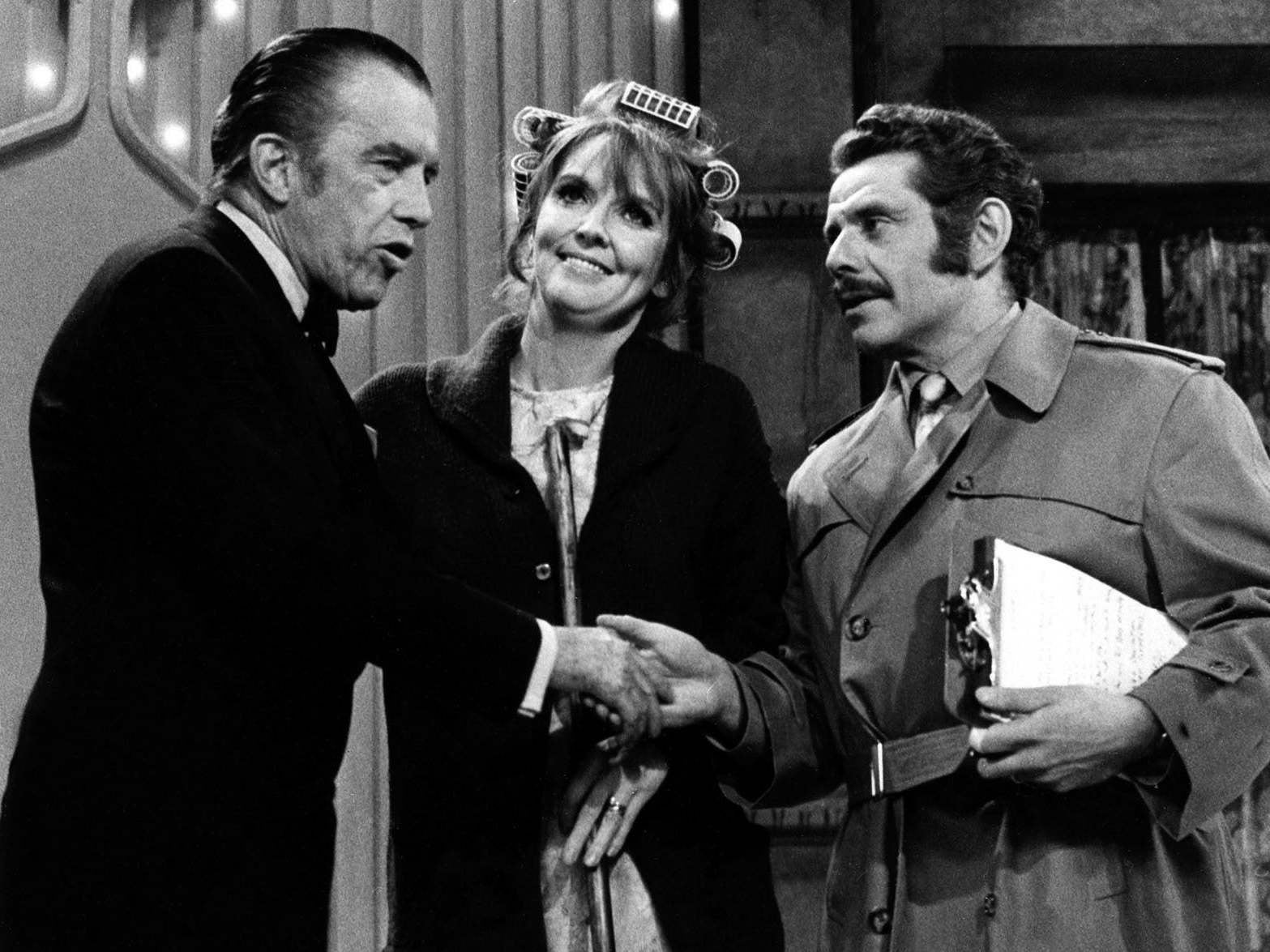
Why Does Stage Fright Hit Even Comedy Legends Like Stiller & Meara
Jun. 10, 2025
The Deep Danger at the Root of Performance Anxiety (and How to Unearth It)
Jun. 10, 2025
Why You Freeze in the Spotlight: The Three Factors Behind Performance Anxiety
Jun. 08, 2025
Speech Fright in Presidential Debates
Jun. 07, 2025
Performance Anxiety Demystified: The Real Link Between Speech Fright, Stage Fright, and Competition Anxiety
Jun. 07, 2025
3 Surprising Mistakes That Make Performance Anxiety Worse—and What to Do Instead
Mar. 19, 2025
Alan Bennett has suffered from stage fright since he forgot his own monologues | Daily Mail Online
Mar. 19, 2025
The Yips: Steve Sax Disease
Mar. 19, 2025
What Shohei Ohtani’s Stage Fright Can Teach Performers About Handling Pressure
Mar. 19, 2025
What Shohei Ohtani’s Stage Fright Can Teach Us About Public Speaking Anxiety
Jan. 24, 2025
Adele’s Fear of the Stage
Jan. 24, 2025
Bill Hader
Jan. 24, 2025
Stage Fright: Joe Kowan’s TED Talk
Jan. 24, 2025
Stage Fright: PJ Gallagher’s Reality Bites
Jan. 24, 2025
Lamaze for stage fright. Wait, what?
Jan. 24, 2025
Actor Jonathan Gillard Daly on Stage Fright
Jan. 24, 2025
Michael Bay & the Terrible, Horrible Very Bad Speech Fright Day
Jan. 24, 2025
Stage Fright & Speech Fright: Infographic of Surprising Facts
Jan. 24, 2025
The Yips & Ernie Els
Jan. 24, 2025
Speech Fright: Reporter Reinforces Common Misconception
Jan. 24, 2025
NYT Article on Smart Apps for Stage Fright
Jan. 24, 2025
Zayn Malik’s Stage Fright No Show
Jan. 24, 2025
Anxiety Robs Australian Swimmers at Olympics
Jan. 24, 2025
Stage Fright: What You Absolutely, Positively Need to Know
Jan. 24, 2025
History of Stage Fright in the Performing Arts
Take Action: Tame the Fear. Unlock Your Voice.
If you are tired of anxiety calling the shots and undermining your confidence when you speak in front of others, it’s time for your breakthrough moment.
The anxiety doesn’t get the final say. Your voice does. We invite performers, speakers, and athletes to explore our simple, proven, and mindfulness-rooted training, such as the Speak with Confidence courses and coaching, to help you transform your relationship with your nerves. This program teaches you to move from feeling stuck to unstuck—not by fighting fear, but by changing your relationship with it.