
Stage fright, also known as performance anxiety, is a common experience worldwide. While it affects people in every corner of the globe, how different cultures handle stage fright can vary significantly. Understanding these differences can provide valuable insights into managing and overcoming this challenge. This post explores stage fright in different cultures, focusing on how it manifests and how various societies address it.
What Is Stage Fright?
Stage fright is the intense fear or anxiety someone feels before or during a performance. This can include public speaking, acting, singing, or even presenting in a meeting. The fear of being judged or making mistakes often triggers this anxiety. Understanding stage fright in different cultures helps us see how universal this phenomenon is and how diverse the coping mechanisms can be.
Stage Fright in Western Cultures
In many Western cultures, stage fright is a common and natural experience. People are encouraged to face their fears head-on, and numerous resources are available to help. These resources include therapy, self-help books, and workshops. They aim to help individuals overcome their anxiety and improve their performance skills.
For example, public speaking courses are widely available in the United States. These courses teach techniques to manage anxiety and build confidence. Additionally, professional speakers often share their experiences and tips through blogs, podcasts, and seminars.
Learn more about public speaking techniques at Toastmasters International.
Stage Fright in Eastern Cultures
Eastern cultures often take a different approach to stage fright. In many Asian societies, the emphasis is on harmony and collective well-being. As a result, individuals may feel a stronger sense of pressure to perform well for the sake of their group or community, which can intensify the experience of stage fright.
In Japan, the concept of “face” is crucial. Losing face or experiencing public embarrassment can be extremely distressing. Therefore, the fear of making mistakes in front of others can lead to intense performance anxiety. However, cultural practices like meditation and mindfulness help individuals manage their stress and anxiety.
Explore mindfulness practices in Japan at Japan Times.
Stage Fright in African Cultures
In many African cultures, performance is an integral part of community life. Music, dance, and storytelling are often communal activities that unite people. While stage fright still exists, the communal aspect of performance provides a support system that helps individuals manage their anxiety.
In some African societies, rituals and ceremonies help performers overcome their fears. These rituals can include chanting, drumming, and other forms of collective participation. This communal support can reduce the isolation that often accompanies stage fright.
Learn more about African performance traditions at Africa.com.
Stage Fright in Indigenous Cultures
Indigenous cultures around the world have unique approaches to performance and stage fright. In many indigenous communities, performances are deeply connected to cultural traditions and spiritual practices. Community support and the connection to tradition help individuals manage their anxiety.
For example, storytelling is vital in Native American cultures for preserving history and culture. The storyteller often performs in front of the community, emphasizing sharing wisdom rather than personal performance. This perspective reduces the pressure and anxiety associated with stage fright.
The Impact of Globalization on Stage Fright
Globalization has significantly impacted how different cultures perceive and manage stage fright. As people worldwide become more connected, there is an increased exchange of ideas and practices. This can lead to the adoption of new techniques for managing stage fright.
For instance, Western methods such as cognitive-behavioral therapy (CBT) are becoming more popular in non-Western cultures. CBT helps individuals reframe their thoughts and reduce anxiety. Additionally, mindfulness practices from Eastern cultures are gaining popularity in the West, offering new ways to manage stress and anxiety.
Discover more about the impact of globalization on mental health at World Health Organization.
How to Manage Stage Fright Across Cultures
Regardless of cultural background, several strategies can help manage stage fright:
- Preparation: The more prepared you are, the more confident you will feel. Practice your performance multiple times.
- Relaxation Techniques: Deep breathing, meditation, and mindfulness can help calm your nerves.
- Positive Thinking: Focus on your strengths and past successes. Remind yourself that it’s okay to make mistakes.
- Support System: Lean on friends, family, and community for support. Sharing your fears with others can reduce anxiety.
For more tips on managing stage fright, check out Stage Fright Solution.
Conclusion: Embracing Stage Fright in Different Cultures
Understanding stage fright in different cultures provides valuable insights into how we experience and manage performance anxiety. By exploring various cultural approaches, we can find new ways to support each other and ourselves in overcoming this common challenge. Embracing the diversity of perspectives enriches our strategies for dealing with stage fright.
There are many ways to address stage fright, whether through communal support, mindfulness practices, or professional therapy. By learning from different cultures, we can create a more inclusive and supportive environment for everyone who faces this challenge.
Understanding the science and cultural context of stage fright helps us better navigate our experiences and support others. This knowledge empowers us to face our fears with confidence and resilience.
Oct. 27, 2025
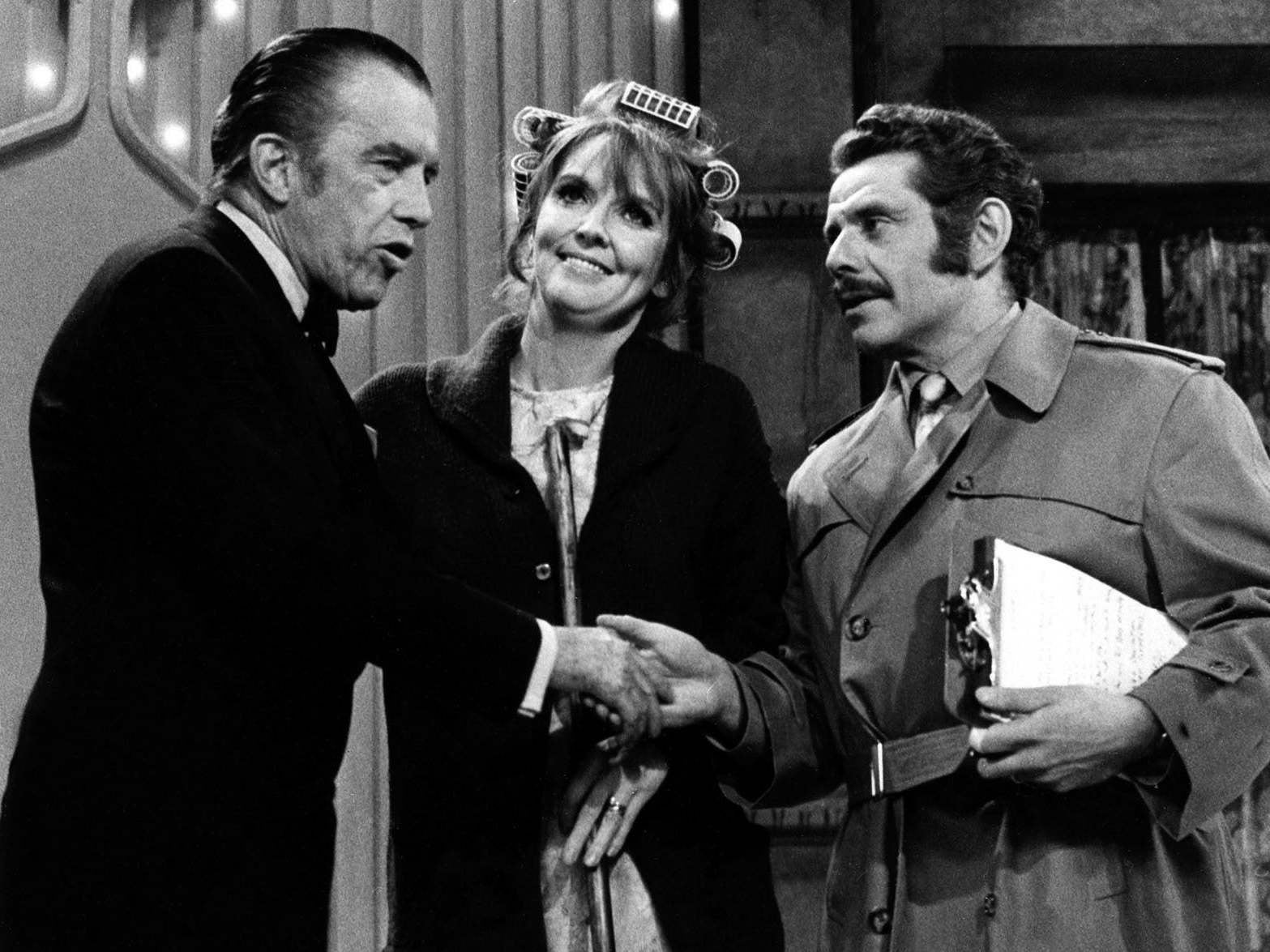
Why Does Stage Fright Hit Even Comedy Legends Like Stiller & Meara
Jun. 10, 2025
The Deep Danger at the Root of Performance Anxiety (and How to Unearth It)
Jun. 10, 2025
Why You Freeze in the Spotlight: The Three Factors Behind Performance Anxiety
Jun. 08, 2025
Speech Fright in Presidential Debates
Jun. 07, 2025
Performance Anxiety Demystified: The Real Link Between Speech Fright, Stage Fright, and Competition Anxiety
Jun. 07, 2025
3 Surprising Mistakes That Make Performance Anxiety Worse—and What to Do Instead
Mar. 19, 2025
Alan Bennett has suffered from stage fright since he forgot his own monologues | Daily Mail Online
Mar. 19, 2025
The Yips: Steve Sax Disease
Mar. 19, 2025
What Shohei Ohtani’s Stage Fright Can Teach Performers About Handling Pressure
Mar. 19, 2025
What Shohei Ohtani’s Stage Fright Can Teach Us About Public Speaking Anxiety
Jan. 24, 2025
Adele’s Fear of the Stage
Jan. 24, 2025
Bill Hader
Jan. 24, 2025
Stage Fright: Joe Kowan’s TED Talk
Jan. 24, 2025
Stage Fright: PJ Gallagher’s Reality Bites
Jan. 24, 2025
Lamaze for stage fright. Wait, what?
Jan. 24, 2025
Actor Jonathan Gillard Daly on Stage Fright
Jan. 24, 2025
Michael Bay & the Terrible, Horrible Very Bad Speech Fright Day
Jan. 24, 2025
Stage Fright & Speech Fright: Infographic of Surprising Facts
Jan. 24, 2025
The Yips & Ernie Els
Jan. 24, 2025
Speech Fright: Reporter Reinforces Common Misconception
Jan. 24, 2025
NYT Article on Smart Apps for Stage Fright
Jan. 24, 2025
Zayn Malik’s Stage Fright No Show
Jan. 24, 2025
Anxiety Robs Australian Swimmers at Olympics
Jan. 24, 2025
Stage Fright: What You Absolutely, Positively Need to Know
Jan. 24, 2025
History of Stage Fright in the Performing Arts
Take Action: Tame the Fear. Unlock Your Voice.
If you are tired of anxiety calling the shots and undermining your confidence when you speak in front of others, it’s time for your breakthrough moment.
The anxiety doesn’t get the final say. Your voice does. We invite performers, speakers, and athletes to explore our simple, proven, and mindfulness-rooted training, such as the Speak with Confidence courses and coaching, to help you transform your relationship with your nerves. This program teaches you to move from feeling stuck to unstuck—not by fighting fear, but by changing your relationship with it.